
In today’s world, there is growing interest in psychedelics, with many seeking understanding and access to substances like DMT. If you’re curious about how to get dmt, it’s important to delve into its definition, effects, and the methods of obtaining this powerful compound.
Understanding DMT: Definition and Effects
What is DMT?
DMT, or N,N-Dimethyltryptamine, is a powerful psychedelic compound found in various plants and animals. It is a member of the tryptamine family, which includes substances like psilocybin and serotonin. DMT is renowned for its intense effects, often producing vivid visual and auditory hallucinations, a distorted sense of time, and profound spiritual experiences. Its natural occurrence in numerous organisms has made it a subject of fascination in both scientific and recreational contexts.
How Does DMT Affect the Mind?
The effects of DMT can vary widely depending on the method of consumption, dosage, and individual differences. Users often report intense visual imagery, feelings of euphoria, and a deep sense of connection to the universe. Psychologically, DMT may facilitate introspection, making it a tool for personal growth and insight. The experience is often surreal and can lead to what users describe as ‘breaking through’ to alternate dimensions or realities.
The Role of Serotonin in DMT Experiences
DMT’s effects are closely tied to serotonin receptors in the brain, particularly the 5-HT2A receptor. This interaction is thought to alter perception and mood, leading to the unique experiences associated with DMT. Serotonin plays a crucial role in the brain’s communication pathways, and its modulation through substances like DMT can lead to both therapeutic potential and recreational use. Understanding this relationship is essential for anyone exploring the effects of DMT.
Natural Sources of DMT
Identifying DMT-rich Plants
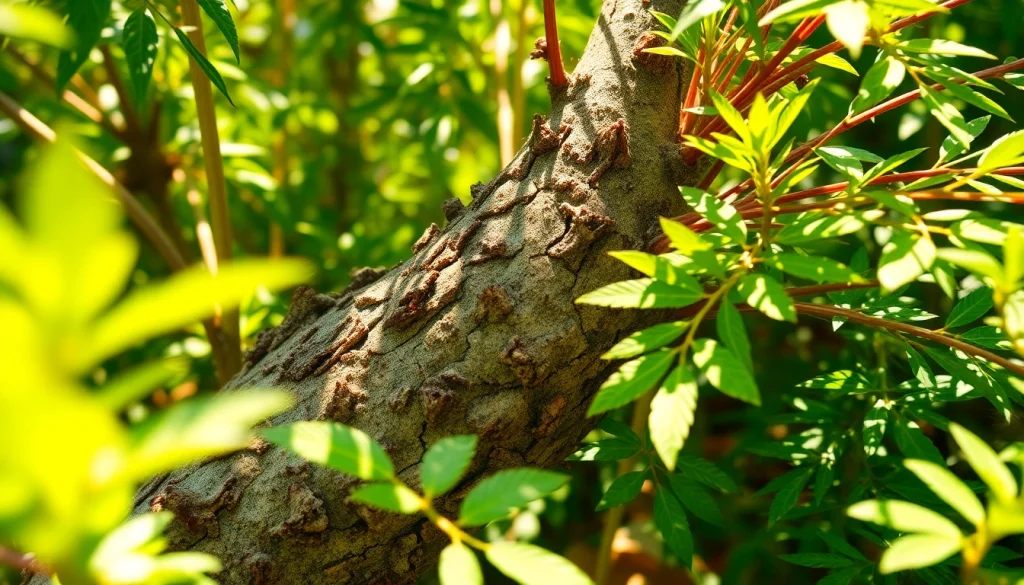
DMT is derived from various plant sources, most famously from species such as Mimosa hostilis and Psychotria viridis. These plants contain high concentrations of DMT and are commonly used in traditional preparations like ayahuasca. When foraging or sourcing these plants, it’s critical to recognize specific characteristics that can help identify them correctly, ensuring safety and efficacy in their use.
The Process of Harvesting DMT
Harvesting DMT-rich plants typically involves sustainable practices to ensure ecological balance. Careful extraction methods vary, but they often include preparation techniques such as boiling the plant matter and precipitating the DMT from the solution using various solvents. These methods can yield a pure product suitable for consumption or further processing.
Legality and Ethical Considerations
The legal status of DMT varies across countries and regions. In many places, it is classified as a controlled substance, making its acquisition and use illegal without proper authorization. Ethically, individuals should consider the implications of sourcing natural DMT, including sustainability practices and the impact on indigenous cultures that have traditionally used these plants for spiritual and healing practices.
Extraction Methods: How to Get DMT
Simple Extraction Techniques
The most popular extraction methods for DMT involve acid-base extraction, often utilizing readily available materials. Basic steps usually involve soaking the plant material in an acidic solution, filtering out the solids, and then using a base to precipitate the DMT. While these techniques can be effective, they require caution and a clear understanding of chemical processes to prevent harm.
Risks and Safety Precautions
Extracting DMT carries inherent risks, including potential legal issues and physical risks associated with handling chemicals. It’s essential to operate in a well-ventilated area, use protective gear, and understand the properties of the substances involved. Additionally, users should be aware of the potential health effects and contraindications associated with DMT consumption.
Comparing Natural vs. Synthetic DMT
Natural DMT, sourced from plants, is often viewed as purer by enthusiasts, who appreciate the traditional practices surrounding its use. Synthetic DMT, produced in labs, can offer consistency in dosage and purity. However, concerns around artificial manufacturing processes can lead to variability in safety and effects. Understanding the differences can help determine which option aligns better with personal preferences and ethical considerations.
Uses of DMT in Modern Society
Therapeutic Benefits of DMT
Recent studies suggest that DMT may have potential therapeutic benefits, including applications in treating depression, anxiety, and addiction. The profound experiences associated with DMT use can promote significant psychological breakthroughs, facilitating emotional healing and helping individuals confront unresolved trauma. Clinical settings may explore DMT’s applicability alongside psychotherapy as a transformative experience.
DMT in Shamanic Practices
In many indigenous cultures, DMT-rich plants are integral in spiritual ceremonies and healing practices. Ayahuasca, for instance, is often used by shamans to facilitate journeys into the psyche, connecting individuals with deeper spiritual truths. Understanding these practices enriches the context in which DMT is often discussed and highlights its longstanding significance in various cultures.
Exploring Cultural Significance
The cultural dimensions of DMT extend far beyond personal use; they delve into community, tradition, and connection to nature. As interest in psychedelics grows in modern times, conversations around DMT often address issues of cultural appropriation and the responsibility of modern users to respect the roots of these practices.
Frequently Asked Questions About DMT
What is the natural version of DMT?
The natural version of DMT comes from various plants that contain the compound, such as Mimosa hostilis and Psychotria viridis, and is often used in traditional medicines and rituals.
Is DMT safe for mental health?
While some studies suggest DMT may have therapeutic benefits, it can also pose risks, especially in individuals with underlying mental health conditions. Caution and professional guidance are crucial.
What plants contain DMT?
Several plants are known to contain DMT, the most common being Mimosa hostilis, Psychotria viridis, and Diplopterys cabrerana. Each plant has unique properties and contexts for use.
Can you legally possess DMT?
The legality of DMT varies by location. In many areas, it is classified as a Schedule I drug, making possession illegal. Always check local laws before attempting to acquire it.
How does DMT compare to other psychedelics?
DMT is often compared to psychedelics like psilocybin or LSD due to its intense effects and short duration. Experiences vary significantly, with DMT often inducing more surreal visuals and deep introspection.