
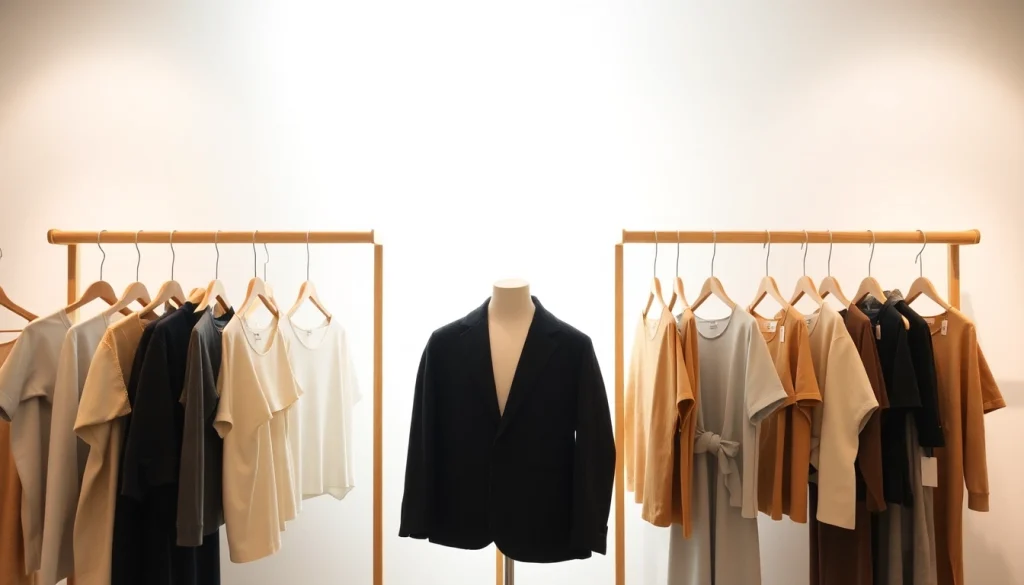
Understanding the Fundamentals of muji vs uniqlo
When delving into the fascinating world of minimalistic fashion, two brands that consistently emerge in discussions are muji vs uniqlo. Both brands embody the spirit of simplicity and functionality, yet they each maintain distinct identities. This article explores the fundamental differences and similarities between the two giants, focusing on their core design principles, target demographics, and overarching brand philosophies.
Core Design Principles
At the heart of both muji and uniqlo lies a commitment to minimalism, albeit interpreted in varied ways. Muji, discovered in Japan, takes an anti-brand approach, prioritizing functionality and practicality over extravagant designs. Its products often embrace a raw, unbranded aesthetic, reflecting a philosophy of simplicity that resonates with conscious consumers seeking authenticity in their choices.
In contrast, uniqlo emphasizes a modern interpretation of daily wear, infusing style into everyday basics without compromising on comfort. The brand focuses on creating quality pieces that serve as a versatile base for individual expression. While muji’s designs often feature a more austere color palette and functional cuts, uniqlo introduces subtle innovations in textiles and cuts, aiming to meet the diverse needs of its customer base.
Target Demographics
The target demographics of muji and uniqlo reveal further distinctions between the two brands. Muji appeals predominantly to an environmentally conscious audience seeking minimalism and clarity in their possessions. Its customers often prefer products that embody a sense of calm and simplicity, which can be seen in the brand’s straightforward marketing and packaging.
Uniqlo, however, casts a wider net, targeting a more general audience that spans various age groups and lifestyles. Its focus on comfort, affordability, and trendy collaborations—such as those with renowned designers—allows it to attract a broader spectrum of consumers, from children to working professionals and fashion enthusiasts.
Brand Philosophy and Identity
The philosophical underpinnings of muji and uniqlo further illuminate their identities. Muji’s ethos of ‘no brand’ is a profound statement against consumerism. This philosophy informs everything from product design to customer interaction, creating an authentic brand experience that feels aligned with the principles of sustainable living.
Conversely, uniqlo underscores the blend of style and functionality. Its catchy slogan, “LifeWear,” encapsulates the brand’s commitment to producing clothing that seamlessly integrates into everyday life. This approach fosters a sense of loyalty among consumers who value practicality and aesthetic appeal.
Comparing Product Offerings of muji vs uniqlo
Clothing Varieties and Styles
The clothing collections of muji and uniqlo present a fascinating study in contrasts. Muji typically offers a limited yet carefully curated selection of clothing that primarily consists of basics. This includes items such as simple t-shirts, trousers, and outerwear designed to be versatile and functional.
On the other hand, uniqlo’s offerings are considerably broader, featuring diverse lines that cater to various tastes and preferences. Their collections include everything from casual wear to sports apparel and formal attire, showcasing seasonal trends and collaborations that add excitement to their product line. Uniqlo is known for its high-quality basics, including items like the popular Supima cotton t-shirt, which appeals to a fashion-conscious audience seeking both comfort and style.
Material Quality Analysis
Material quality is another critical area where muji and uniqlo diverge. Muji prides itself on using high-quality, natural materials such as cotton, linen, and wool. This commitment to quality often results in a higher price point for its products, supporting its overarching philosophy of sustainable consumption.
Uniqlo also emphasizes quality but in a different manner. The brand utilizes a blend of innovative technologies and high-quality materials to create functional clothing that meets everyday needs. For example, uniqlo’s AIRism line highlights advanced moisture-wicking fabrics that enhance comfort, showcasing the brand’s focus on practicality and consumer comfort.
Pricing Strategies
When it comes to pricing strategies, muji and uniqlo adopt different approaches. Muji’s pricing generally reflects its higher-quality materials and minimalist design; thus, it tends to be more premium compared to uniqlo. This aligns with muji’s image as a sustainable brand that offers long-lasting products.
In contrast, uniqlo maintains a competitive pricing strategy that appeals to a broader audience. By offering frequent sales and promotions, uniqlo makes it possible for consumers to purchase trendy, quality clothing at accessible price points. This pricing strategy contributes significantly to uniqlo’s market presence and its ability to attract a diverse customer base.
The Consumer Experience of muji vs uniqlo
Shopping Environment and Aesthetics
The shopping experience at muji and uniqlo stores contributes to the perception of each brand. Muji stores are often characterized by a serene environment that reflects the brand’s minimalist ethos. The layout is intentionally designed to guide consumers through an uncluttered space, showcasing products without excessive marketing gimmicks.
In contrast, uniqlo employs a more vibrant and engaging store layout that invites exploration. The aesthetics are contemporary, with bright lighting and strategic displays emphasizing the latest collections and promotional items. This shopping environment caters to consumers looking for a dynamic experience while browsing for their wardrobe essentials.
Brand Loyalty and Community Engagement
Both muji and uniqlo develop brand loyalty in distinct ways. Muji cultivates a sense of community through its emphasis on lifestyle branding, often engaging customers who align with its philosophy of simplicity. This approach encourages customers to view muji not just as a brand, but as a lifestyle choice that complements their values.
Uniqlo, while also fostering community, tends to focus on consumer engagement through social media campaigns and fashion collaborations. By tapping into popular culture and collaborating with influential figures in the fashion industry, uniqlo creates excitement and builds a dedicated customer community that eagerly anticipates new releases.
Customer Feedback and Insights
Analyzing customer feedback provides invaluable insights into the experiences that shape perceptions of muji and uniqlo. Customers frequently praise muji for its commitment to quality and the simplicity of its designs. Reviews often highlight the longevity and practicality of muji’s products, reflecting its successful connection to consumers who value functionality.
On the other hand, uniqlo receives recognition for its innovation and comfort, especially in regard to its tech-enhanced clothing lines. Many customers appreciate the blend of style and affordability, making uniqlo a preferred choice for those looking to refresh their wardrobes without breaking the bank.
Making Sustainable Choices: muji vs uniqlo
Environmental Impact Considerations
In the realm of sustainability, both muji and uniqlo are making strides, but their approaches differ significantly. Muji emphasizes environmental stewardship as a core component of its brand identity. The company promotes sustainable living and actively works to reduce waste through its designs and product concepts, often opting for packaging that minimizes environmental impact.
Uniqlo, while also recognizing the importance of sustainability, has taken a more operational approach by gradually implementing eco-friendly practices across its supply chain. The brand has unveiled initiatives aimed at reducing its carbon footprint and enhancing sustainable resource management through recycling programs and sustainable sourcing of materials.
Sourcing and Manufacturing Practices
Sourcing and manufacturing practices reflect the values of each brand. Muji actively seeks out suppliers and materials that uphold environmentally friendly practices, often focusing on using organic and recycled materials in its clothing production. This commitment to sustainability not only underscores muji’s brand philosophy but also appeals to its environmentally-conscious consumer base.
Uniqlo, while competitive in its pricing, faces a more challenging sourcing landscape. The brand has made it a goal to ensure transparency within its supply chain, working toward ethical sourcing practices and cultivating partnerships with manufacturers that respect labor rights and environmental guidelines.
Future Initiatives and Innovations
The future for both muji and uniqlo involves expanding their sustainable practices and product innovations. Muji continues to invest in research and development to enhance its eco-friendly product lines while exploring additional ways to streamline materials usage and improve efficiency in manufacturing.
Uniqlo is focused on amplifying its sustainability initiatives through technology-driven future practices. With an eagerness to innovate, uniqlo constantly updates its product offerings with new, advanced materials that promise to deliver better performance and enhanced comfort, alongside sustainable practices. This forward-thinking approach ensures that both brands are well-positioned to meet the evolving expectations of contemporary consumers.
FAQs: Debunking Myths about muji vs uniqlo
Are muji and uniqlo interchangeable?
Despite their similarities in aesthetics, muji and uniqlo are not interchangeable. Each brand represents unique philosophies, styles, and target audiences, making them distinct entities within the realm of minimalistic fashion.
Which brand offers better sustainability?
While both brands are committed to sustainability, muji’s core identity revolves around eco-conscious principles. Uniqlo has made substantial strides in recent years, but muji’s holistic approach to environmental issues often places it ahead in terms of authentic sustainable practices.
How do styles differ between muji vs uniqlo?
The main difference in styles lies in muji’s focus on functionality and simplicity compared to uniqlo’s contemporary and trend-responsive designs. Consumers seeking minimalist, timeless pieces may gravitate to muji, whereas those looking for stylish yet practical clothing options might prefer uniqlo.