The Future of Sports Broadcasting: Trends, Techniques, and Technology
Understanding Sports Broadcasting
What is Sports Broadcasting?
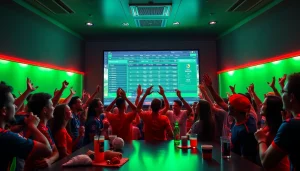
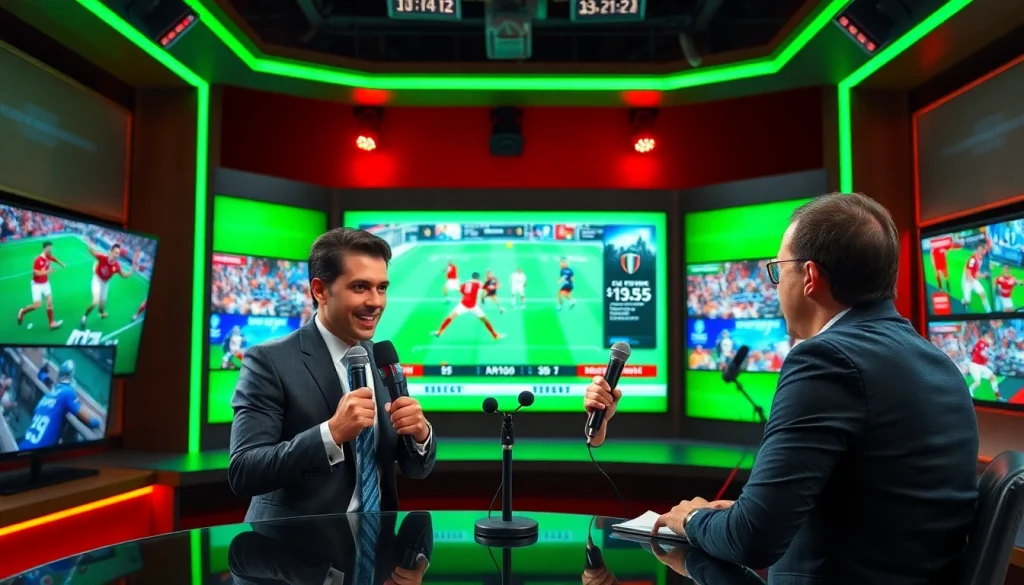
Sports Broadcasting refers to the live delivery, analysis, and commentary of sports events to a wide audience via various multimedia platforms. This encompasses traditional television and radio channels, as well as emerging digital platforms, including websites and mobile applications. The essence of Sports Broadcasting is to connect fans with their favorite sports, athletes, and teams, providing not just game coverage but a broader viewing experience that may include pre-game shows, post-game analysis, highlights, and expert commentary. Sports Broadcasting plays a fundamental role in engulfing fans in the world of sports by making events accessible and engaging while fostering a community around shared interests.
History and Evolution of Sports Broadcasting
The roots of sports broadcasting can be traced back to the early 20th century, when radio broadcasts began to deliver live sports events, allowing fans to engage with the action from the comfort of their homes. The first live sports broadcast took place in 1921, featuring a boxing match. As the popularity of sports grew, so did the methods of broadcasting. The transition to television in the 1950s revolutionized the industry, bringing sports into living rooms nationwide and creating cultural phenomena surrounding major sporting events.
Over decades, advancements in technology and the boom of cable television during the ‘80s introduced specialized sports networks, allowing for 24/7 sports coverage. The advent of the internet in the late ‘90s shifted broadcasting paradigms, enabling the rise of online streaming and on-demand content. Today, the sports broadcasting landscape continues to evolve with the integration of digital platforms, high-definition broadcasts, and interactive technologies, ensuring a richer, multi-dimensional viewer experience.
Key Players in the Sports Broadcasting Industry
The sports broadcasting landscape comprises various stakeholders, including broadcasters, production companies, and rights holders. Major television networks dominate traditional broadcasting, securing rights to prestigious tournaments and leagues. Alongside traditional players, online streaming services are increasingly becoming significant contributors, offering subscription-based models to cater to tech-savvy audiences. Media companies, such as independent producers and content creators, are also making their mark by curating niche sports programming, creating new revenue streams and audience engagement opportunities.
Moreover, sponsors and advertisers play a critical role in supporting broadcasts, utilizing the exposure to reach expansive audiences. The collaboration among these players shapes the content delivered to fans, driving innovative advertising strategies while amplifying sports culture worldwide.
Current Trends in Sports Broadcasting
Impact of Digital Media on Sports Broadcasting
Digital media has reshaped every aspect of sports broadcasting. The shift from traditional broadcasting to online platforms allows fans to consume content how and when they prefer. This transformation enhances accessibility, with social media, blogs, and podcasting investing heavily in sports content, minimizing barriers and allowing global conversations around sports.
Virtual communities have emerged, especially around major sporting events, contributing to shared experiences that connect fans from different backgrounds. Digital media also provides opportunities for broadcasters to interact with audiences through live chats, polls, and social engagement, allowing a two-way dialogue that enhances viewer engagement.
Rise of Streaming Services in Sports Broadcasting
The rise of streaming services marks a paradigm shift in the consumption of sports content. Platforms like Netflix and Amazon Prime have expanded into sports, offering live games, documentaries, and sports series, thus enticing younger audiences that prefer on-demand content. Services like ESPN+ and DAZN cater specifically to sports fans, showcasing exclusive matches and unique programming that traditional networks may not provide.
This transition to streaming has not only democratized access to diverse sports events but has also encouraged stakeholders to rethink content rights and monetization strategies. As consumers demand flexibility, sports broadcasters must adapt their business models to maintain relevance in this fast-evolving landscape.
Fan Engagement Strategies
Engaging fans is paramount for the success of any sports broadcasting initiative. Modern strategies include personalized content, where broadcasters analyze viewer data to deliver tailored experiences. Social media engagement has become a crucial component, with platforms serving as a direct communication channel that fosters community interaction around live events, breaking news, and athlete highlights.
Moreover, interactive broadcasting elements such as live polls, questions, and behind-the-scenes content help create immersive experiences that keep fans returning for more. Gamification, involving contests and fantasy sports, also enhances engagement, as fans actively participate rather than passively consume, further deepening their connection to the broadcasting experience.
Technologies Shaping Sports Broadcasting
Role of Artificial Intelligence in Sports Broadcasting
Artificial Intelligence (AI) is making monumental advances within sports broadcasting, revolutionizing various elements of content delivery. AI algorithms are used for data analysis, player insights, and even automatic highlight generation, exponentially increasing the speed and efficiency of content production. AI-driven personalization enhances viewer experience by curating relevant content based on individual preferences and viewing habits.
Moreover, AI applications in sports analytics provide fans and commentators deeper insights into gameplay, enhancing the narrative around sporting events. By harnessing the power of AI, broadcasters can elevate storytelling while engaging audiences in unprecedented ways, transforming traditional formats into dynamic viewing experiences.
Augmented Reality Enhancements
Augmented Reality (AR) is on the rise within sports broadcasting, allowing fans to visualize plays and statistics in real-time during live events. This technology enhances viewer enjoyment, providing immersive and interactive experiences that traditional broadcasts cannot offer. AR integrations, such as virtual ads and player stats overlays, shape how audiences engage with the sport, turning passive watching into an interactive experience.
Broadcasters using AR effectively can differentiate themselves in a crowded market, providing unique value that captures audience attention and fosters loyalty. Many successful implementations can be seen in major leagues where AR is used to showcase player stats and replays, blending viewing roles to make fans feel directly involved.
Multi-platform Broadcasting Strategies
In today’s multimedia environment, adopting multi-platform broadcasting strategies is vital for reaching diverse audiences. This involves distributing content across multiple channels, including traditional television, streaming services, social media, and apps. The idea is to create a seamless experience, allowing fans to jump from platform to platform without losing track of content.
Integrating content delivery from various platforms enhances visibility and engagement while catering to the diverse preferences of audiences. Moreover, broadcasters can repurpose content, enabling reach across several demographics while maximizing ROI on sports broadcasting rights and production investments.
Challenges in the Sports Broadcasting Industry
Regulatory and Licensing Issues
The sports broadcasting industry is riddled with complexities surrounding regulations and licensing that can impede operations. Different countries have various broadcasting rights laws, necessitating broadcasters to navigate a labyrinth of local and international regulations. Securing licensing agreements for broadcast rights can be both competitive and costly, often impacting financial viability.
Understanding regional guidelines, negotiating contracts, and ensuring compliance are critical for success in sports broadcasting. Thus, aligning with legal experts and employing specialized roles in regulatory affairs can prove beneficial for any organization aiming to navigate this intricate environment effectively.
Competition from Alternative Media
Competition from alternative media grinds the mind of sports broadcasters, as social media, YouTube, and online streaming platforms gain ground in content delivery. These platforms not only compete for viewership but also attract advertising dollars that traditionally supported sports networks. As audiences migrate to alternative media, maintaining viewer loyalty has become increasingly challenging.
To counteract shifting viewing preferences, sports broadcasters must innovate by offering high-value content that surpasses the appeal of alternative platforms. Engaging storytelling, exclusive behind-the-scenes content, and interactive experiences serve to create compelling narratives that keep fans invested and loyal.
Maintaining Quality and Authenticity
In the race to attract viewers, sports broadcasters often face pressure to prioritize quantity over quality, risking the authenticity of coverage. Balancing commercial interests with genuine sports storytelling is essential to maintain credibility and viewer trust. The challenge lies in creating engaging content without compromising journalistic integrity.
Implementing strict editorial standards and prioritizing authentic narratives can keep audiences engaged meaningfully, enhancing long-term loyalty. Understanding the audience’s expectations and aligning content production practices accordingly helps broadcasters maintain a reputation for quality and trustworthiness.
Future Prospects of Sports Broadcasting
Predictions for the Next Decade in Sports Broadcasting
The next decade is poised to witness transformative trends in sports broadcasting shaped by technological advancements and evolving viewer preferences. The convergence of AI and VR technologies could redefine how sports are consumed, allowing fans to engage with content in wholly immersive environments. We can also anticipate greater integration of smart devices, enhancing real-time experiences and personalization through home automation and user-specific content.
Furthermore, the expansion of direct-to-consumer models will disrupt traditional broadcasting hierarchies, empowering teams and leagues to connect directly with fans. Leveraging innovations in blockchain technology for ticketing, merchandising, and rights management could redefine revenue streams and fan loyalty strategies.
Innovations on the Horizon
As the sports broadcasting industry continues to evolve, innovations are expected to flourish in areas such as AI-driven analytics, immersive experiences through virtual reality, and interactive viewing. Sports broadcasters might adopt automation to streamline content creation processes, allowing journalists and commentators to focus on in-depth reporting and engaging narratives.
Personalized content delivery could become the norm as understanding viewer preferences becomes increasingly sophisticated, thanks to data analytics. We could also see decentralized platforms emerge, offering athletes and fans enhanced engagement opportunities while redefining the broadcasting landscape.
How to Stay Relevant in Sports Broadcasting
Staying relevant in sports broadcasting requires a proactive approach to integrate changing technology and audience expectations. Engaging with fans through innovative content, utilizing real-time analytics to drive decisions, and investing in new broadcasting methods will foster continued growth. Emphasizing collaboration among stakeholders and exploring partnership opportunities could strengthen offerings and expand viewership.
Finally, confronting challenges such as competition and regulatory changes by adapting to market trends and consumer behaviors is essential. Embracing change, focusing on authenticity, and prioritizing quality over quantity will ensure a long-lasting presence within the ever-evolving sports broadcasting ecosystem.
FAQs
What is the main role of Sports Broadcasting?
Sports Broadcasting delivers live coverage, highlights, and analysis of sports events, connecting fans with the action.
How has technology influenced Sports Broadcasting?
Technology enhances viewing experiences through digital platforms, AR applications, and AI-powered analytics for deeper insights.
What are common trends in Sports Broadcasting?
Trends include streaming services, social media utilization, and advanced data analytics, engaging and retaining fans effectively.
What challenges do sports broadcasters face?
Regulatory issues, competition from alternative media, and maintaining quality content pose major challenges in the industry.
What is the future of Sports Broadcasting?
The future promises innovative technologies, personalized experiences, and a shift towards direct-to-consumer broadcasting models.