
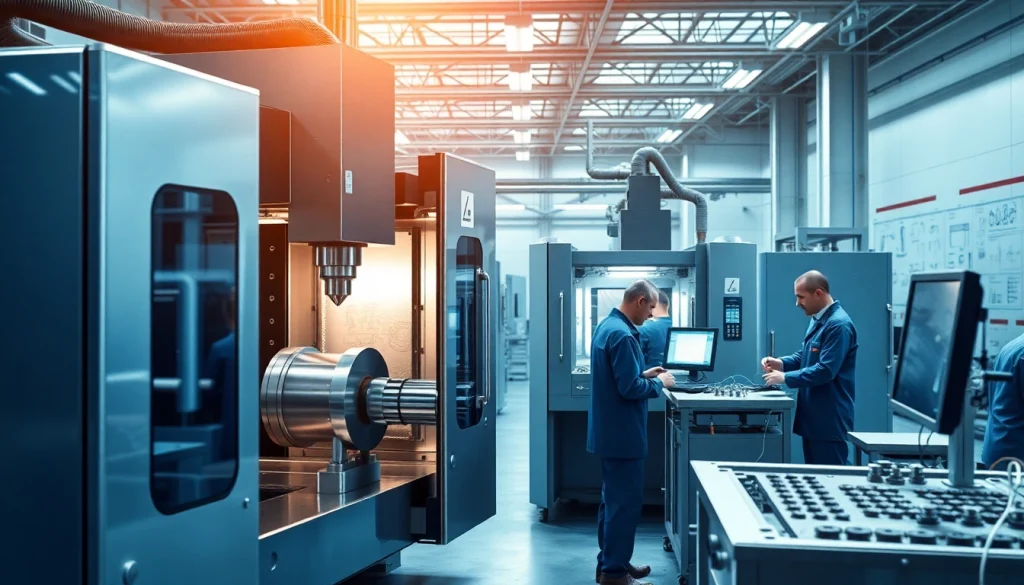
The Importance of Precision Machining in Malaysia
Precision machining stands as a pillar of modern manufacturing, significantly shaping the industrial landscape in Malaysia. As businesses across various sectors increasingly seek to enhance productivity and quality, the demand for precision machining solutions continues to grow. This article delves into the essence of precision machining in Malaysia, highlighting its crucial role across various industries and guiding organizations in choosing the right partners for their machining requirements. When exploring options, precision machining malaysia provides comprehensive insights into the local capabilities that can drive success.
Understanding Precision Machining
Precision machining refers to a variety of processes used to create components with high accuracy and tight tolerances. Leveraging advanced machinery and technology, precision machining can produce complex geometries that meet rigorous specifications. This includes processes such as CNC (Computer Numerical Control) machining, EDM (Electrical Discharge Machining), and milling, among others. The significance of precision machining extends beyond just the production of parts; it plays a fundamental role in the overall efficiency of manufacturing operations.
The Role of Precision Machining in Modern Manufacturing
In the contemporary manufacturing landscape, precision machining is integral to ensuring product reliability and performance. With the advent of advanced technologies and increased competition, manufacturers are driving for higher standards and greater efficiency. Precision machining allows for the production of intricate parts that are both lightweight and robust, aligning perfectly with industry demands for innovation.
Moreover, precision machining supports the principles of just-in-time manufacturing, minimizing waste and enhancing product flow. This increases responsiveness to market changes and customer demands, solidifying its role in sustaining competitive advantage.
Key Industries Benefiting from Precision Machining in Malaysia
Several industries in Malaysia are reaping the benefits of precision machining, including:
- Aerospace: With stringent safety and quality standards, the aerospace industry relies heavily on precision-manufactured components.
- Automotive: As technology in vehicles evolves, manufacturers benefit from precision machining to create parts that enhance performance and efficiency.
- Medical: The medical field demands high-quality, precise components for devices and instruments, making precision machining indispensable.
- Electronics: As electronic devices become more complex, precision machining facilitates the production of intricate components that meet high-performance specifications.
Choosing the Right Precision Machining Partner
Evaluating Capabilities: What to Look For
Selecting the right precision machining partner is critical for maintaining quality and efficiency in production. Key capabilities to evaluate include:
- Technology: Ensure that the supplier utilizes modern, high-precision equipment and software for design and production.
- Experience: Look for partners with a proven track record in your specific industry to guarantee expertise in your application.
- Customization: The ability to offer tailored solutions can be invaluable, especially for businesses with unique requirements.
Assessing Quality and Compliance Standards
Quality Assurance (QA) and adherence to international standards are vital when evaluating precision machining partners. Ensure that your potential suppliers have robust QA processes in place. Certifications such as ISO 9001 and AS9100 can be indicators of a commitment to quality and reliability. Regular audits and transparency in processes also enhance trust and collaboration.
Leveraging Local vs. Global Suppliers for Competitive Advantage
Deciding between local and global suppliers can significantly impact your precision machining strategy. Local suppliers often provide advantages such as shorter lead times, easier communication, and the ability to quickly respond to changes. On the other hand, global suppliers may offer advanced technologies and competitive pricing due to economies of scale. By assessing your specific needs, you can make informed decisions that align with your operational goals.
Innovative Technologies in Precision Machining
Latest Trends in CNC Technology
Computer Numerical Control (CNC) technology is rapidly evolving, with trends such as multi-axis machining and automation becoming more prevalent. These advancements allow for faster production cycles, enhanced precision, and the ability to manufacture complex parts efficiently. Moreover, integrated software solutions are improving programming efficiency, enabling manufacturers to reduce downtime and optimize production workflows.
Automation and Its Impact on Precision Machining
Automation is transforming precision machining operations, allowing for the streamlining of processes and increasing operational efficiency. Automated machining systems can work continuously without human intervention, reducing labor costs and the potential for human error. This shift not only enhances productivity but also ensures higher consistency in quality across production runs, crucial for industries that require strict compliance standards.
Future-Ready Solutions for Enhanced Manufacturing Efficiency
The future of precision machining lies in the integration of IoT (Internet of Things), AI (Artificial Intelligence), and advanced data analytics. These technologies facilitate predictive maintenance, allowing manufacturers to anticipate machine failures and schedule repairs proactively. This leads to reduced downtime and cost savings. Moreover, data analytics can provide insights into production processes, identifying areas for improvement and fostering a culture of continuous enhancement.
Best Practices for Precision Machining Processes
Streamlining Operations for Cost Efficiency
To remain competitive, manufacturers must focus on streamlining their precision machining operations. Implementing practices such as Just In Time (JIT) manufacturing, where materials are produced or acquired only as needed, can significantly reduce inventory costs. Additionally, utilizing software for real-time tracking of production metrics can help identify bottlenecks and optimize workflows.
Quality Control Mechanisms in Precision Machining
Establishing rigorous quality control mechanisms is essential for maintaining high standards in precision machining. This includes regular inspections, testing of materials, and the use of advanced measurement systems to ensure each component meets the required specifications. A culture of quality must be ingrained within the organization to ensure that every team member understands their role in delivering superior products.
Implementing Lean Manufacturing Principles
Adopting lean manufacturing principles can further enhance the efficiency of precision machining processes. Lean practices focus on minimizing waste while maximizing productivity and quality. Techniques such as value stream mapping can help identify non-value-added activities, allowing for targeted improvements that align with operational goals.
Future Prospects of Precision Machining in Malaysia
Predictions for Industry Growth by 2025
By 2025, the precision machining industry in Malaysia is expected to witness significant growth driven by increasing demand from sectors such as automotive, aerospace, and electronics. The continued investment in advanced manufacturing technologies will play a pivotal role in this growth, enabling businesses to compete on a global scale.
Emerging Markets and Opportunities
As industrial landscapes evolve, new markets are emerging for precision machining services. The rise of the electric vehicle (EV) sector, for instance, presents numerous opportunities for manufacturers to develop components tailored for this innovative industry. Additionally, the ongoing focus on sustainable manufacturing solutions is creating demand for precision machining in environmentally friendly technologies.
Challenges to Anticipate and Overcome
Despite the promising outlook, the precision machining industry in Malaysia will face challenges such as skill shortages and the need for continuous technological upgrades. Companies must invest in training and development to upskill the workforce and remain adaptable to technological advancements. Addressing these challenges head-on will be crucial for sustaining growth and ensuring competitiveness in the global market.