Essential Guide to the Mount Everest Base Camp Trek in 2025: Discover Unforgettable Experiences
1. Introduction to the Mount Everest Base Camp Trek
The Mount Everest Base Camp Trek (EBC) is not just a journey; it’s an iconic adventure that attracts trekkers from around the world. Known for its breathtaking vistas and cultural encounters, this trek takes you to the heart of the Himalayas, culminating at the base of the world’s highest peak, Mount Everest. Over the course of 14 days, trekkers experience a blend of physical challenge and spiritual awakening as they navigate through magnificent landscapes and Sherpa villages. Whether you’re drawn by the allure of conquering high altitudes or the chance to witness the unique Sherpa culture, the EBC trek offers something for everyone. When exploring options, the mount Everest base camp trek provides comprehensive insights into this once-in-a-lifetime experience.
1.1 Overview of the EBC Trek Experience
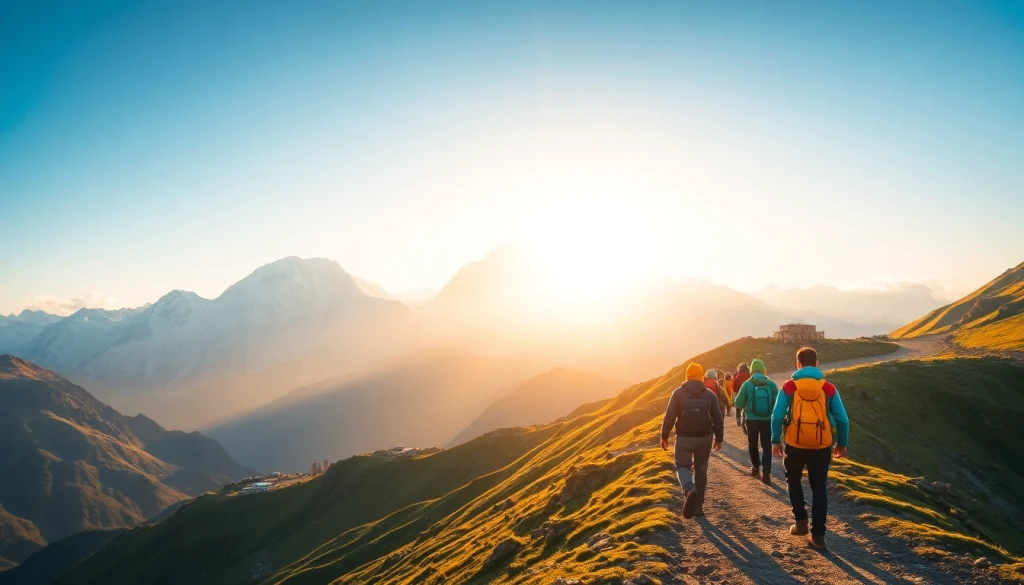
The Everest Base Camp Trek is a popular choice for those seeking adventure amidst stunning natural beauty. The trek typically begins with a flight from Kathmandu to Lukla, which serves as the gateway to the Everest region. From there, you’ll embark on a trek that takes you through lush forests, traditional Sherpa villages, and dramatic mountain landscapes. The journey culminates at Everest Base Camp, where you can view the towering Khumbu Icefall and the majestic Everest itself. Each day offers new challenges, captivating sights, and opportunities to connect with fellow trekkers and the hospitable Sherpa people.
1.2 Highlights of the Trek
- Stunning views of Mount Everest and surrounding peaks.
- Cultural interactions with the Sherpa community in villages like Namche Bazaar.
- Acclimatization hikes that enhance your trekking experience.
- Visiting the famous Tengboche Monastery, one of the most significant monasteries in the region.
- Memorable sunrise views from Kala Patthar, offering one of the best panoramic views of Mount Everest.
1.3 Why Choose the EBC Trek in 2025?
The year 2025 promises to be an exceptional time to embark on the Everest Base Camp Trek. With improvements in trail infrastructure and an ever-increasing focus on sustainable tourism, trekkers can enjoy a safer and more enriching experience. New accommodations are being developed, making the trek more comfortable than ever. Additionally, the welcoming attitude of the local Sherpa communities ensures an immersive cultural experience. For those seeking an unforgettable adventure in the Himalayas, 2025 is the year to make it happen!
2. Planning Your Mount Everest Base Camp Trek
2.1 Best Times to Trek
The ideal time to plan your Everest Base Camp Trek is during the pre-monsoon (March to May) and post-monsoon (September to November) seasons. In spring, trekkers enjoy blooming flora and clear skies, while autumn presents majestic vistas with fewer crowds. Weather conditions significantly impact trekking, so it’s crucial to plan accordingly for both safety and enhanced enjoyment.
2.2 Gear and Packing List for the EBC Trek
Preparing for the EBC trek involves careful consideration of gear and personal items. Essential items include durable hiking boots, thermal layers, a reliable backpack, and a good sleeping bag rated for cold temperatures. Here’s a quick packing list:
- Footwear: Sturdy trekking boots, sandals for relaxing.
- Clothing: Moisture-wicking shirts, thermal layers, waterproof jacket, and warm gloves.
- Gear: Trekking poles, headlamp, and camera.
- Safety: First-aid kit, altitude sickness medication, and sunscreen.
- Essentials: Water purification tablets, snacks, and a hydration system.
2.3 Required Permits and Documentation
To trek to Everest Base Camp, you will need several permits, including the Sagarmatha National Park permit and the TIMS (Trekkers’ Information Management System) card. These permits are usually arranged through your trekking company but ensure you have valid identification and be prepared to show them upon entry into the park.
3. The Itinerary: Day-by-Day Breakdown
3.1 Key Stops Along the Trek
The trek to Everest Base Camp involves crucial stops, each serving a unique purpose:
- Day 1: Arrival in Kathmandu.
- Day 2: Fly to Lukla and trek to Phakding.
- Day 3: Trek to Namche Bazaar.
- Day 4: Acclimatization day at Namche.
- Day 5-12: Trek from Namche to Everest Base Camp, returning back to Lukla.
3.2 Acclimatization Strategies
Acclimatization is vital when trekking at high altitudes to prevent altitude sickness. The itinerary includes deliberate acclimatization days, typically in Namche Bazaar and Dingboche, allowing your body to adjust to lower oxygen levels. Hikes to higher elevations during these days help facilitate acclimatization without overexertion.
3.3 Overview of Daily Distances and Durations
Most trekking days range from 5 to 8 hours, covering distances of around 10-15 kilometers, depending on the terrain. The hike from Lukla to EBC involves significant elevation gain, reaching up to 5,364 meters, and thus requires both stamina and preparation.
4. Health and Safety on the Trek
4.1 Understanding Altitude Sickness
Altitude sickness is a serious concern when trekking to Everest Base Camp. Symptoms can vary from mild headaches to severe illness. Knowing the signs and proactively managing elevation gain is essential. It is advisable to ascend slowly and be aware of your body’s signals.
4.2 Physical Fitness Requirements
While previous trekking experience is not mandatory, physical fitness is crucial. A training regime should include cardiovascular exercises, strength training, and hiking to prepare your body for the rigors of the trek. Aim to regularly engage in outdoor activities that simulate the demands of trekking, focusing on endurance and strength.
4.3 Essential Safety Measures and Gear
Prioritize safety by carrying necessary gear such as a first aid kit, water purification tools, and altitude medication. Regular check-ins with your guide and monitoring your health status keep everyone safe throughout the journey. The guides are experienced in dealing with emergencies and can adjust plans if needed.
5. Enhancing Your Experience on the Mount Everest Base Camp Trek
5.1 Cultural Insights: Sherpa Lifestyle and Traditions
Engaging with the Sherpa community enriches the trekking experience. The Sherpas are known for their incredible hospitality, and learning about their culture, traditions, and customs enhances the trek. Opportunities to participate in local festivals or visit monasteries offer deeper cultural immersion.
5.2 Navigating Common Challenges
Every trek has its challenges, but being prepared can help. Be aware of weather conditions which can change rapidly; always check forecasts before setting out. Consider utilizing buffer days in your itinerary to account for any unforeseen delays due to unpredictable weather or altitude acclimatization.
5.3 Future Trends in Trekking: Sustainability and Responsible Tourism
As awareness of environmental impact grows, sustainable trekking practices are gaining momentum. Opt for local guides, minimize waste, and support eco-friendly lodges and businesses. By making conscientious choices, trekkers can contribute positively to the communities they visit and help preserve the natural beauty of the Everest region.