Understanding How Does Video Analytics Work for Enhanced Business Insights
What is Video Analytics?
Defining Video Analytics
Video analytics refers to the automated processes that analyze video content in order to recognize and interpret various activities or objects within the footage. By leveraging advanced algorithms and artificial intelligence, video analytics elevates traditional surveillance systems by transforming passive video monitoring into actionable insights. From basic motion detection to complex behavioral analysis, the technology can enhance security measures and improve operational efficiencies across numerous sectors. Understanding how does video analytics work is essential for organizations aiming to optimize their video data utilization.
Key Features of Video Analytics
- Real-Time Processing: One of the core features of video analytics is its ability to process video footage in real-time, allowing quick responses to specific events or behaviors detected.
- Object Recognition: Video analytics can identify and classify various objects, such as vehicles or people, enabling businesses to gather insights on movement patterns and behaviors.
- Facial Recognition: This feature allows systems to identify and verify individuals based on their facial characteristics, which is particularly useful in security and access control.
- Behavioral Analysis: This capability enables systems to detect unusual or suspicious activities in footage, providing alerts to security personnel in real-time.
- Integration with Other Systems: Video analytics can seamlessly integrate with existing security and business management systems, improving overall operational efficiency.
Benefits of Using Video Analytics
The implementation of video analytics offers numerous advantages. One of the primary benefits is enhanced security; by automating surveillance processes, it reduces the burden on human operators and significantly improves response times. Additionally, video analytics can optimize operational workflows, streamline resource allocation, and provide valuable insights into customer behavior patterns in retail settings. Moreover, the analytical capabilities can contribute to data-driven decision-making, as organizations obtain detailed reports and trends from analyzed footage.
How Does Video Analytics Work?
Data Collection in Video Analytics
The first step in the video analytics process involves the collection of video data through various sources, primarily CCTV cameras and IoT devices. High-definition cameras capture video footage, which is then transmitted to a central processing system for analysis. The data collected can range from simple video streams to enriched data that includes audio and environmental sensors’ input. Ensuring high-quality video capture is critical since the accuracy of analytics heavily relies on the initial data quality.
Processing Video Data
Once data is collected, video analytics systems apply various algorithms to interpret the footage. These algorithms are designed to detect and categorize elements within the video. For instance, motion detection algorithms identify moving objects, while machine learning models can classify these objects as people, vehicles, or other items. Spatial analysis further enhances this by understanding how objects interact within the space captured in the video. The data is processed either on-premises or in the cloud, enabling efficient resource management and scalability.
Interpreting Results from Video Analytics
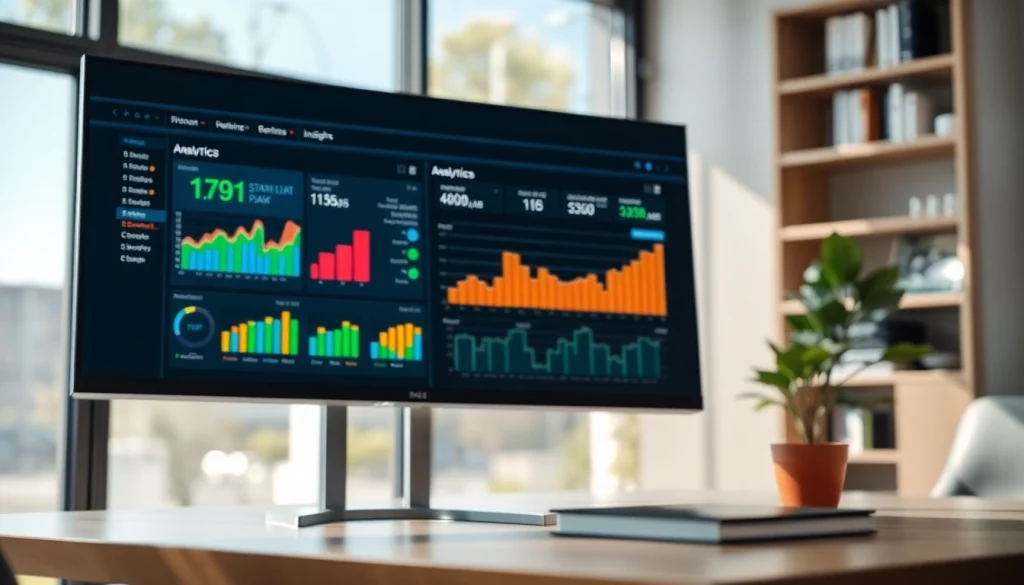
After processing, the analytics system generates results that can be interpreted and acted upon. This includes real-time alerts for security breaches, detailed reports on foot traffic analysis in retail, or even insights into patient movements within healthcare facilities. Analysts can visualize these results through user-friendly dashboards, making it easier for stakeholders to make informed decisions. Furthermore, ongoing learning from new data enhances model accuracy and improves the overall outcome of predictions.
Applications of Video Analytics in Various Industries
Retail Industry Use Cases
In the retail sector, video analytics plays a pivotal role in enhancing customer experience and operational efficiency. Retailers utilize analytics to monitor customer flow within stores, optimizing layout and product placement based on foot traffic patterns. For instance, heat maps generated from analyzed video data can reveal high-traffic areas, allowing retailers to enhance product promotions or adjust staffing schedules accordingly. Additionally, analyzing customer interactions helps in understanding shopping behaviors, which can influence marketing strategies.
Security and Surveillance Applications
The security industry has seen transformative changes due to video analytics. Organizations employ the technology for perimeter security, identifying unauthorized access in real-time, and monitoring high-risk areas effectively. Automated alert systems can notify security personnel of suspicious movements, facilitating prompt action. Moreover, with facial recognition capabilities, companies can enhance security protocols by tracking known individuals across various locations, significantly improving safety and risk management practices.
Healthcare and Patient Monitoring
Video analytics in healthcare is gaining momentum, particularly in patient monitoring and operational management. Hospitals utilize the technology to monitor patient movements, ensuring that individuals are safe and not wandering into restricted areas. Video analytics can also enhance resource management by analyzing traffic patterns in emergency departments, helping administrators allocate resources more effectively based on patient inflow trends. Ultimately, this leads to improved patient care and operational efficiency.
Challenges of Implementing Video Analytics
Data Privacy Concerns
While video analytics brings significant benefits, it also raises data privacy concerns. Organizations must navigate laws and regulations regarding data collection and personal privacy. To mitigate risks, companies are implementing robust data protection policies, ensuring transparency with users about how their data is being collected and utilized. Furthermore, employing anonymization techniques can help protect individual identities while allowing valuable insights to be extracted from collected data.
Technical Limitations
Technical challenges can inhibit the successful implementation of video analytics. Limitations may arise from insufficient infrastructure, such as outdated hardware or insufficient bandwidth, which can compromise data transmission speeds and analysis quality. To overcome these limitations, organizations should invest in modern equipment, utilize cloud solutions for enhanced processing power, and ensure continuous system updates for optimum performance.
Cost of Implementation
The initial cost of implementing video analytics can be a barrier for some organizations. Expenses may include purchasing hardware, software licenses, and ongoing maintenance fees. However, businesses must recognize that these costs are often offset by the substantial operational improvements and cost savings realized through enhanced analytics. Conducting a detailed cost-benefit analysis can help organizations justify their investments and identify the best strategic approach for implementation.
Future Trends in Video Analytics
Emerging Technologies
The future of video analytics looks promising as emerging technologies, like edge computing and 5G networks, become mainstream. Edge computing facilitates faster data processing on the devices themselves, significantly reducing latency and enabling real-time analytics on the spot. Similarly, the widespread adoption of 5G technology will enhance the capabilities of video analytics, allowing for greater data transmission speed and improved overall performance.
Advancements in AI and Machine Learning
Artificial intelligence and machine learning are at the forefront of video analytics evolution, allowing for more sophisticated processing capabilities. Continuous advancements in these fields enable systems to learn from new data inputs and self-improve over time. This leads to increasingly accurate predictions and recognitions, ultimately making video analytics more valuable across different industries. Organizations that keep pace with these advancements will likely have a competitive edge in leveraging video analytics for business transformation.
Expected Market Growth
The video analytics market is projected to experience robust growth as organizations across sectors recognize its value in enhancing operational efficiency, security, and customer satisfaction. Increased demand driven by technological advancements and integration into smart systems indicates a growing willingness among businesses to invest in video analytics solutions. Companies that capitalize on these market trends will not only improve their operational capabilities but also their bottom line.
Frequently Asked Questions
What is the primary purpose of video analytics?
The primary purpose of video analytics is to automatically analyze video footage to identify objects, movements, and behaviors for enhanced security and operational efficiencies across various industries.
How does video analytics improve security?
Video analytics improves security by enabling real-time monitoring and alerting personnel of suspicious activities, allowing for prompt and informed responses to potential threats.
Can video analytics be used in retail environments?
Yes, in retail environments, video analytics can track customer movements, analyze shopping behaviors, and optimize product placements to enhance customer experience and operational efficiency.
What are common challenges of video analytics?
Common challenges include data privacy concerns, technical limitations related to infrastructure, and the initial costs of implementation, which can hinder organizations from adopting the technology.
What are the future trends in video analytics?
Future trends include advancements in artificial intelligence, machine learning, the emergence of edge computing, and increased market growth driven by technology integration in various sectors.